
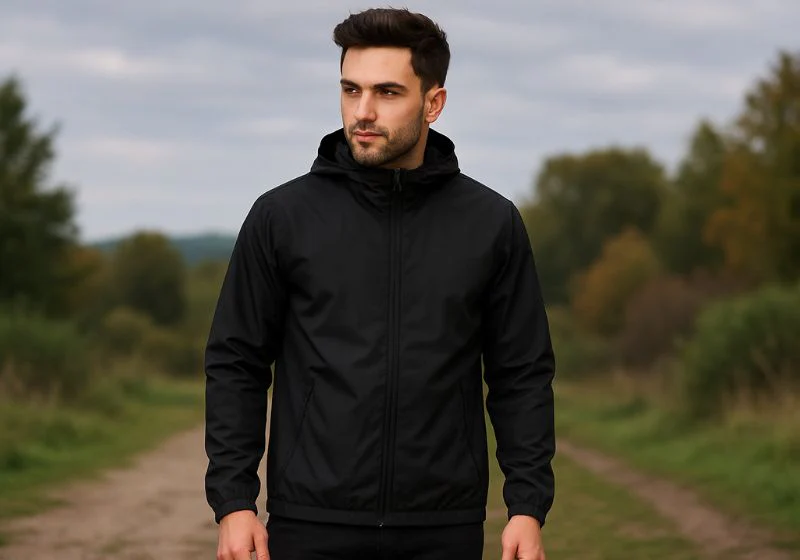
For any man who spends time outdoors when the temperatures drop, a thermal insulated jacket is not a luxury; it is a fundamental necessity. These jackets are the unsung heroes of the winter wardrobe, utilizing sophisticated material science to keep the body’s core temperature stable, whether you are traversing a mountain trail or simply navigating a cold city street. Understanding what makes a quality thermal jacket effective—from the full power of the down to the technical properties of the shell fabric—is the key to making an informed purchase that guarantees comfort, protection, and longevity. The best jacket is one that is perfectly matched to the user’s intended activity and the environmental conditions it will face.
At its core, a thermal insulated jacket works by trapping air. Air is a poor conductor of heat, and by capturing tiny pockets of air close to the body, the jacket creates a barrier that slows the rate at which body heat escapes into the colder atmosphere. This process of insulation is what keeps you warm, and the effectiveness of the stylish winter jackets for men is largely determined by the fill material used to create these insulating air pockets.
The Two Pillars of Insulation: Down vs. Synthetic
The choice between natural down and synthetic fill is the most critical decision when purchasing an insulated jacket, as each offer distinct advantages based on climate and activity.
Down Insulation: The Natural Gold Standard
Down, the soft, fluffy clusters found beneath the feathers of ducks or geese, is renowned for its superior warmth-to-weight ratio. It is incredibly light yet highly compressible, making down jackets ideal for packing into small spaces. Its insulating power is measured by fill power, typically ranging from 400 (good) to 900+ (excellent). Fill power is a measure of the volume (in cubic inches) that one ounce of down occupies; the higher the number, the greater the loft and insulating capability for the same weight.
- Pros: Unmatched warmth-to-weight ratio, excellent compressibility, and very long lifespan if maintained properly.
- Cons: Down’s Achilles’ heel is moisture. Once down gets wet, the clusters clump together, causing it to lose its loft and, therefore, its insulating ability. While hydrophobic (water-resistant) down treatments have improved this, down jackets still require careful protection in wet conditions.
Synthetic Insulation: The Wet-Weather Workhorse
Synthetic insulation, typically made from polyester fibers, is designed to mimic the heat-trapping qualities of natural down. The fibers are woven into continuous filaments or short staples to create pockets of air. While synthetic insulation is generally heavier and less compressible than high-fill-power down for the same warmth, it possesses a critical advantage.
- Pros: Retains most of its insulating properties even when wet, dries much faster than down, is hypoallergenic, and is generally more affordable. It is the preferred choice for humid climates, wet snow conditions, or activities involving heavy perspiration.
- Cons: Lower warmth-to-weight ratio and can flatten and lose insulating power faster than down over repeated use and compression.
Conclusion: An Investment in Comfort and Safety
A quality thermal insulated jacket is a cornerstone of the masculine outdoor wardrobe, representing an investment in comfort, performance, and safety against the elements. It is a piece of technical apparel where the science of air-trapping, material resilience and ergonomic design converge. By understanding the critical distinctions between down fill power and synthetic wet-weather performance, and by evaluating the durability and wind-resistance of the shell fabric, any man can choose the perfect thermal warrior to tackle winter’s worst, ensuring that the cold is a condition to be managed, not a barrier to enjoying the outdoors.
